
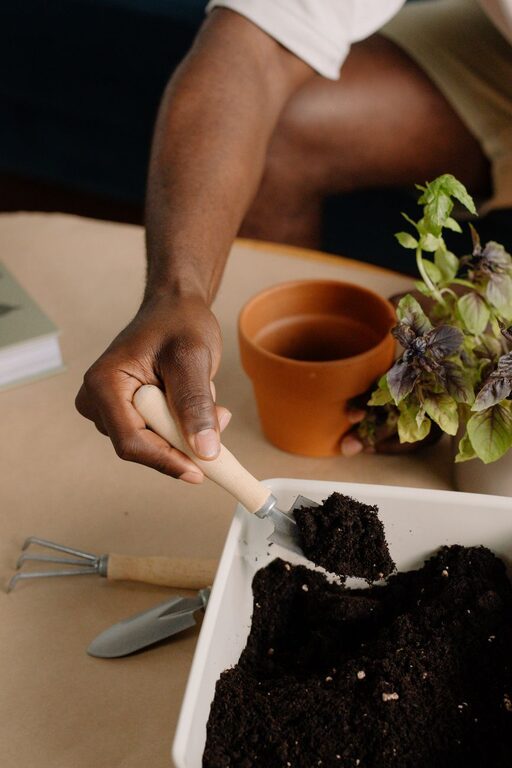
Bringing fresh herbs into your kitchen is easier than you might think. Starting a small herb garden indoors allows you to enjoy homegrown flavors year-round, no matter the weather outside. Whether you have a sunny windowsill, a compact balcony, or a spare corner, growing herbs inside is a rewarding and practical hobby. This guide will walk you through everything you need to get started with your indoor herb garden.
Why Grow Herbs Indoors?
Growing herbs indoors offers several benefits:
– Freshness: Harvest herbs straight from your garden whenever you need them.
– Cost-effective: Save money by growing herbs instead of buying them frequently.
– Convenience: No need to step outside, especially during winter or bad weather.
– Improved air quality: Many herbs help purify indoor air.
– Therapeutic: Gardening indoors can reduce stress and boost your mood.
Choosing the Right Herbs for Indoor Gardening
Some herbs thrive better indoors due to their light and water needs. Here are some popular and beginner-friendly options:
– Basil: Needs plenty of sunlight and regular watering.
– Mint: Grows quickly but can be invasive, so keep it in its own pot.
– Parsley: Prefers moderate sunlight and moist soil.
– Chives: Requires bright light and well-drained soil.
– Thyme: Low maintenance and good for windowsills.
– Oregano: Enjoys bright light and less frequent watering.
– Cilantro: Appreciates cooler temperatures and bright, indirect light.
Choose herbs that you use regularly in your cooking to make your garden truly useful.
What You’ll Need to Start Your Garden
Before planting, gather these basic supplies:
– Containers: Pots with drainage holes are essential to prevent waterlogging.
– Potting mix: Use a light, well-draining potting soil designed for indoor plants.
– Herb seeds or starter plants: Seeds take longer but are economical; starter plants are faster to grow.
– A sunny spot or grow lights: Most herbs need at least 6 hours of sunlight per day.
– Watering can or spray bottle: For consistent, gentle watering.
– Labels: Keep track of each herb variety.
Step-by-Step Guide to Plant Your Indoor Herb Garden
1. Select Your Containers
Choose pots that fit the space you have. Self-watering pots help maintain moisture levels, especially if you have a busy schedule. Avoid using containers without drainage; excess water can harm roots.
2. Prepare the Soil
Fill your containers with a quality potting mix. You can add perlite or sand to improve drainage. Avoid using garden soil, which can be too dense for indoor pots.
3. Plant Your Herbs
– If using seeds, follow packet instructions on planting depth.
– For starter plants, gently loosen the roots before placing them in the soil.
– Space plants according to their size, usually one or two per pot for small containers.
4. Position Your Garden
Place your herb pots where they will receive plenty of sunlight. South-facing windows are ideal. If natural light is limited, consider LED grow lights designed for plants.
5. Water Properly
Water your herbs when the top inch of soil feels dry. Avoid overwatering to prevent root rot. Using a spray bottle can help keep leaves clean and hydrated.
6. Maintain Your Herb Garden
– Pruning: Regularly trim your herbs to encourage bushy growth.
– Feeding: Use a balanced, water-soluble fertilizer every 4-6 weeks.
– Pest control: Inspect plants weekly for pests like aphids and treat with natural remedies if needed.
– Rotate pots: Turn containers weekly to ensure even growth.
Tips for Success in Indoor Herb Gardening
– Start small: Begin with 3-5 herbs to avoid feeling overwhelmed.
– Use quality seeds or plants: Healthy starting material sets the foundation for your garden.
– Keep humidity moderate: Indoor air can be dry; mist your plants or use a humidity tray.
– Harvest often: Regular picking keeps herbs productive and flavorful.
– Be patient: Some herbs grow faster than others; consistent care yields the best results.
Troubleshooting Common Indoor Herb Garden Problems
– Yellow leaves: Could indicate overwatering or nutrient deficiency.
– Leggy plants: Usually a sign of insufficient light.
– Wilting: Check soil moisture; too much or too little water can cause wilting.
– Pests: Remove insects manually or use insecticidal soap as a safe treatment.
Final Thoughts
Starting a small herb garden indoors is a fulfilling way to bring nature closer to your daily life. With simple tools, a bit of patience, and the right herbs, you’ll enjoy fresh flavors for cooking and a touch of greenery inside your home. Happy gardening!