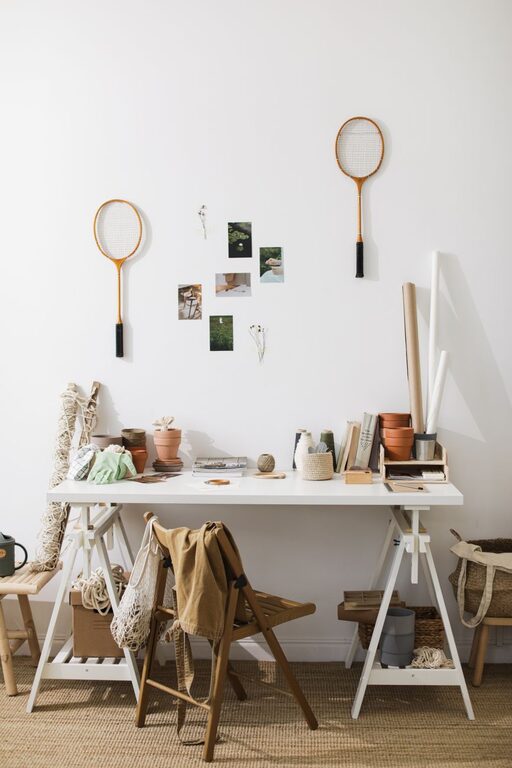
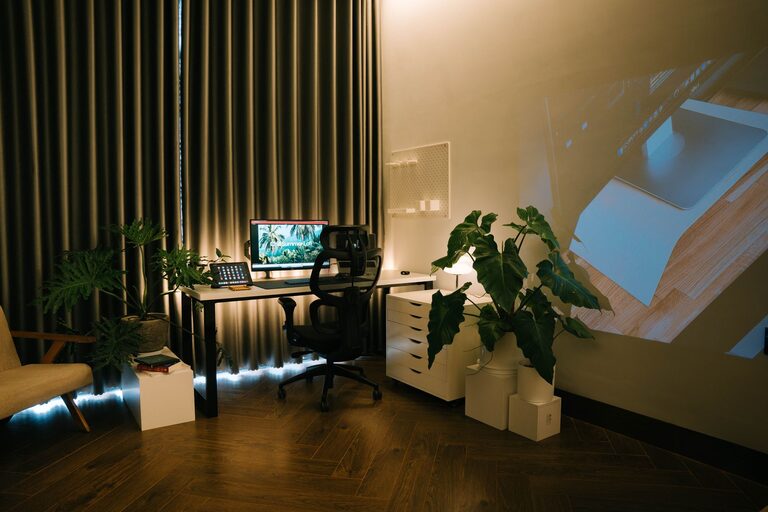
Creating a relaxing home workspace is essential for anyone looking to improve focus and productivity while working from home. A well-designed space can help reduce stress, enhance creativity, and make your daily tasks feel more manageable. Whether you have a dedicated room or just a small nook, there are simple and effective ways to transform your workspace into a peaceful retreat.
Why a Relaxing Workspace Matters
Your environment plays a big role in how you feel and perform throughout the day. A cluttered or noisy workspace can cause distractions and increase anxiety, while a calming setup helps you stay centered and motivated. Taking the time to create a soothing area encourages good work habits and supports your overall well-being.
Choose the Right Location
Start by selecting a spot in your home that offers enough natural light and minimal noise. If possible, pick a room with a window where you can enjoy some fresh air and outdoor views. Natural light improves mood and alertness, making it easier to focus.
If space is limited, even a corner of the living room or bedroom can work. Use room dividers or screens to separate your work area visually and physically from the rest of the space.
Invest in Comfortable Furniture
Comfort is key to a relaxing workspace. A good chair that supports your back and promotes good posture will prevent discomfort during long hours. Adjustable chairs are ideal because they can be tailored to your body.
Choose a desk with enough surface area for your computer, notebooks, and any other essentials. Height-adjustable desks that allow you to alternate between sitting and standing are also a great option for reducing fatigue.
Keep Your Space Organized
Clutter can be a major source of stress. Keeping your workspace tidy helps you think clearly and stay focused. Use storage solutions like shelves, drawers, and organizers to keep supplies within reach but out of sight.
Here are some tips for maintaining organization:
– Use cable management tools to keep cords neat.
– Have designated spots for frequently used items.
– Clear your desk at the end of each day to start fresh tomorrow.
Incorporate Calming Colors and Decorations
Colors affect mood; soft, neutral tones like pale blue, green, or beige promote relaxation and concentration. Avoid overly bright or harsh colors that may cause visual fatigue.
Add personal touches that make you feel comfortable but don’t distract you. A few plants can bring life to your desk and improve air quality. Art prints or inspirational quotes can also boost motivation.
Control Lighting and Reduce Glare
Proper lighting reduces eye strain. Position your desk near natural light sources to take advantage of daylight. For evening or low-light hours, use a desk lamp with adjustable brightness.
Avoid direct glare on your computer screen by angling your monitor away from windows and overhead lights. Consider using screen filters or anti-glare protectors.
Minimize Noise Distractions
Background noise can interrupt concentration. If your workspace is in a noisy area, try using noise-cancelling headphones or playing soft ambient music.
White noise machines or nature sounds like rainfall can also create a peaceful atmosphere and mask disruptive sounds.
Include Elements That Promote Mindfulness
Incorporating small mindfulness tools can encourage relaxation during breaks. Consider keeping a stress ball, a small fountain, or a candle nearby (if safe) for moments when you need to pause and reset.
Taking regular short breaks to stretch or breathe deeply refreshes your mind and helps maintain productivity.
Maintain Good Air Quality
Fresh air supports clear thinking and energy. If windows don’t open or outdoor air is limited, use an air purifier or add indoor plants known for improving air quality, such as spider plants or peace lilies.
Personalize Without Overcrowding
Add items that inspire you but keep your desk free of unnecessary clutter. A favorite photo, a motivational quote, or a small piece of artwork can make your workspace feel welcoming.
Remember, the goal is to balance personal touches with a clean, organized setup that encourages calm.
Final Thoughts
Creating a relaxing home workspace doesn’t require a big budget or a complete room makeover. By focusing on comfort, organization, lighting, and calming decor, you can build an environment that supports your best work. Take time to adjust your space as needed and make it a place you enjoy spending time in every day.
A peaceful workspace means less stress and more productivity — a win-win for your work-from-home life!