
Stretching is a simple and effective way to improve your flexibility, enhance your range of motion, and reduce muscle tension—all from the comfort of your own home. Whether you’re new to exercise or looking to add a gentle practice to your routine, stretching can offer many benefits. This beginner’s guide will walk you through the basics of stretching at home, including tips for safety, effective stretches, and how to build a routine that works for you.
Why Stretching Matters
Stretching isn’t just for athletes or yoga enthusiasts. It helps maintain healthy muscles and joints, promotes better posture, and even reduces the risk of injury in daily activities. Here’s why incorporating stretching into your daily life is worthwhile:
– Improves flexibility: Regular stretching increases the length and elasticity of your muscles.
– Enhances circulation: Stretching gets your blood flowing, which helps deliver nutrients to your muscles.
– Relieves tension: Gentle stretches can reduce stiffness and relax tight areas.
– Prepares the body: Stretching before and after workouts aids in preventing strains.
– Promotes relaxation: Stretching can be calming and reduce stress, especially when combined with deep breathing.
Getting Started: Tips for Safe Stretching
Before you begin your stretching routine, keep these key safety tips in mind:
– Warm up first: Stretching cold muscles can lead to injury. Do a light warm-up like marching in place or walking around for 5 minutes.
– Stretch slowly: Ease into each stretch gently and avoid bouncing or jerking motions.
– Listen to your body: Stretch until you feel mild tension but not pain. If something hurts, stop immediately.
– Breathe naturally: Don’t hold your breath while stretching. Inhale and exhale slowly.
– Be consistent: Aim to stretch at least 3-4 times a week for best results.
Basic Stretches to Try at Home
Here are some gentle, beginner-friendly stretches you can easily do at home. Each stretch targets different areas of the body and can be held for 15 to 30 seconds.
1. Neck Stretch
– Sit or stand tall.
– Tilt your head slowly to the right, bringing your ear toward your shoulder.
– Hold and feel the stretch along the left side of your neck.
– Repeat on the left side.
2. Shoulder Rolls
– Stand or sit with your back straight.
– Roll your shoulders forward in a circular motion 10 times.
– Then roll them backward 10 times.
– This helps loosen shoulder tension.
3. Chest Opener
– Clasp your hands behind your back.
– Gently straighten your arms and lift your chest.
– Keep your shoulders down and away from your ears.
– Hold and breathe deeply.
4. Seated Forward Fold
– Sit on the floor with your legs extended straight.
– Hinge at your hips and reach toward your toes.
– Keep your back as straight as possible.
– You should feel a stretch in your hamstrings and lower back.
5. Cat-Cow Stretch
– Get on all fours with your wrists under shoulders and knees under hips.
– Inhale as you arch your back and lift your head and tailbone (Cow).
– Exhale as you round your spine and tuck your chin to your chest (Cat).
– Repeat slowly for 5-10 rounds.
6. Standing Quadriceps Stretch
– Stand tall and hold onto a chair or wall for balance if needed.
– Bend your right knee, bringing your heel toward your buttocks.
– Grab your ankle with your right hand and gently pull to stretch the front of your thigh.
– Repeat on the other side.
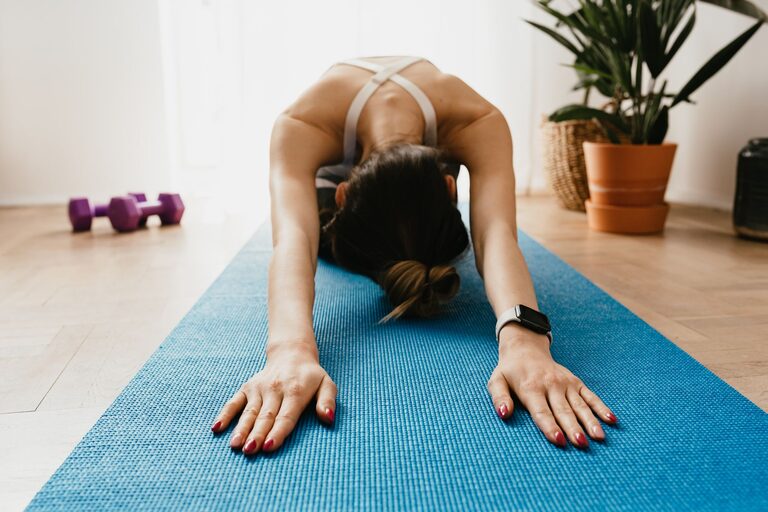
7. Child’s Pose
– Kneel on the floor and sit back on your heels.
– Lower your chest toward your knees and stretch your arms forward.
– Rest your forehead on the floor.
– This stretch gently opens your back and hips.
Creating a Stretching Routine at Home
To get the most benefit, try setting aside 10 to 15 minutes each day or every other day for stretching. Here’s a simple way to build your routine:
- **Warm-up:** 3-5 minutes of light activity.
- **Full-body stretches:** Choose 5 to 7 stretches covering major areas like neck, shoulders, back, legs, and hips.
- **Hold each stretch:** For 20-30 seconds, repeat 2-3 times if you have time.
- **Cool down:** Finish with deep breaths and gentle movements.
You can do this routine any time of day—morning to wake up your body, midday to relieve tension, or evening to relax before bed.
Additional Stretching Tips for Beginners
– Wear comfortable, loose clothing.
– Use a yoga mat or soft surface for floor stretches.
– Stay hydrated before and after your routine.
– Gradually increase stretch duration and intensity as you improve.
– Pair stretching with mindful breathing or calming music for extra relaxation.
When to Avoid Stretching
While stretching is generally safe, avoid it if you:
– Have an injury or painful area without medical advice.
– Feel sharp or sudden pain during a stretch.
– Experience dizziness or discomfort.
If you have any medical conditions, consider consulting a healthcare professional before starting a new fitness routine.
Final Thoughts
Stretching at home is a wonderful way to care for your body with minimal time and equipment. By taking a few minutes each day to stretch safely and gently, you can increase your flexibility, reduce muscle tension, and support your overall wellness. Remember to listen to your body, be patient with progress, and enjoy this simple practice that benefits both your body and mind. Happy stretching!