
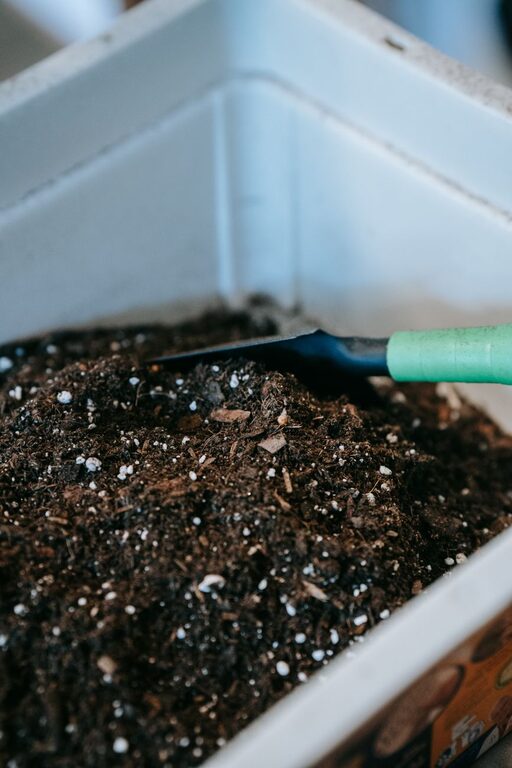
Composting is a wonderful way to reduce household waste while nurturing your garden with rich, organic soil. If you’re new to composting, it might seem intimidating at first, but with some basic knowledge and simple steps, you can start your composting journey right in your backyard or even indoors. This guide will walk you through the beginner tips for composting at home, helping you make the most of your organic waste in an eco-friendly way.
What Is Composting?
Composting is the natural process of recycling organic materials such as food scraps and yard waste into a valuable soil amendment. Through decomposition, microorganisms break down these materials into humus, a nutrient-rich substance that improves soil structure, moisture retention, and fertility.
Why Start Composting at Home?
– Reduce waste: Composting diverts a significant portion of your garbage from landfills, lowering your household’s impact on the environment.
– Improve garden health: Homemade compost enriches your soil naturally, promoting healthy plant growth without chemical fertilizers.
– Save money: By composting, you reduce the need to buy commercial fertilizers and soil conditioners.
– Support sustainability: Composting closes the nutrient loop by returning organic matter to the earth.
Getting Started: Beginner Tips for Home Composting
1. Choose the Right Composting Method
Depending on your space and lifestyle, there are various composting options:
– Traditional Compost Bin: Ideal for outdoor spaces, these bins keep your compost contained and help speed up decomposition.
– Compost Pile: Simply pile organic waste in a designated spot if you have plenty of yard space.
– Tumbler Composters: These sealed bins can be turned, making composting faster and easier.
– Vermicomposting: Using worms to break down food scraps indoors, perfect for apartments or limited outdoor space.
– Bokashi Composting: A fermentation process that works well indoors and handles a wider range of food scraps quickly.
Choose a method that fits your available space, time, and the type of waste you want to compost.
2. Know What to Compost: Browns and Greens
Successful composting relies on balancing carbon-rich and nitrogen-rich materials.
– Greens (Nitrogen-rich): Fruit and vegetable scraps, coffee grounds, tea bags, fresh grass clippings.
– Browns (Carbon-rich): Dry leaves, straw, shredded paper, cardboard, wood chips.
Aim for a ratio of about 3 parts browns to 1 part greens. This balance helps maintain the right moisture and aeration for microbes to thrive.
3. Avoid Composting These Items
Certain materials can attract pests, smell bad, or slow decomposition. Avoid adding:
– Meat, fish, dairy products
– Greasy or oily foods
– Diseased plants
– Pet waste
– Invasive weeds or plants treated with pesticides
– Synthetic materials (plastic, metal, glass)
4. Maintain Your Compost Pile
A well-maintained compost pile breaks down faster and smells better.
– Turn your compost regularly: Use a pitchfork or garden fork to mix the pile every 1-2 weeks to provide oxygen.
– Keep moisture in check: The pile should feel like a damp sponge—not too wet or dry. Add water if dry or browns if too wet.
– Monitor temperature: A hot pile (110-160°F) indicates active decomposition. Cool piles may need turning or more green materials.
5. Patience Is Key
Composting takes time — usually 2-6 months depending on conditions. When your compost looks dark, crumbly, and smells earthy, it’s ready to use.
6. Use Finished Compost Wisely
Incorporate your homemade compost into garden beds, pots, or around trees to enrich soil and support plant growth. You can also use it as a mulch or make compost tea to feed plants.
Troubleshooting Common Composting Issues
| Problem | Cause | Solution |
|————————–|———————————-|———————————|
| Bad odor | Too much moisture or greens | Turn pile, add browns, aerate |
| Slow decomposition | Not enough nitrogen or oxygen | Add greens, turn pile more often|
| Pests | Food scraps exposed or meat added| Bury scraps, avoid meat, cover pile |
| Compost too dry | Lack of moisture | Add water and greens |
Indoor Composting Tips for Small Spaces
If you live in an apartment or have limited outdoor space, indoor composting is still possible.
– Use a worm bin for vermicomposting.
– Choose a sealed compost bin with a filter to control odors.
– Add food scraps regularly and mix to aerate.
– Keep bin in a convenient spot like under the sink or a balcony.
Final Thoughts
Starting composting at home is easier than you might think and brings many benefits to your garden and the environment. Begin with small steps — choosing the right method, balancing your greens and browns, and maintaining your pile. Over time, you’ll enjoy the satisfaction of creating your own nutrient-rich compost and contributing to a healthier planet.
Happy composting!